
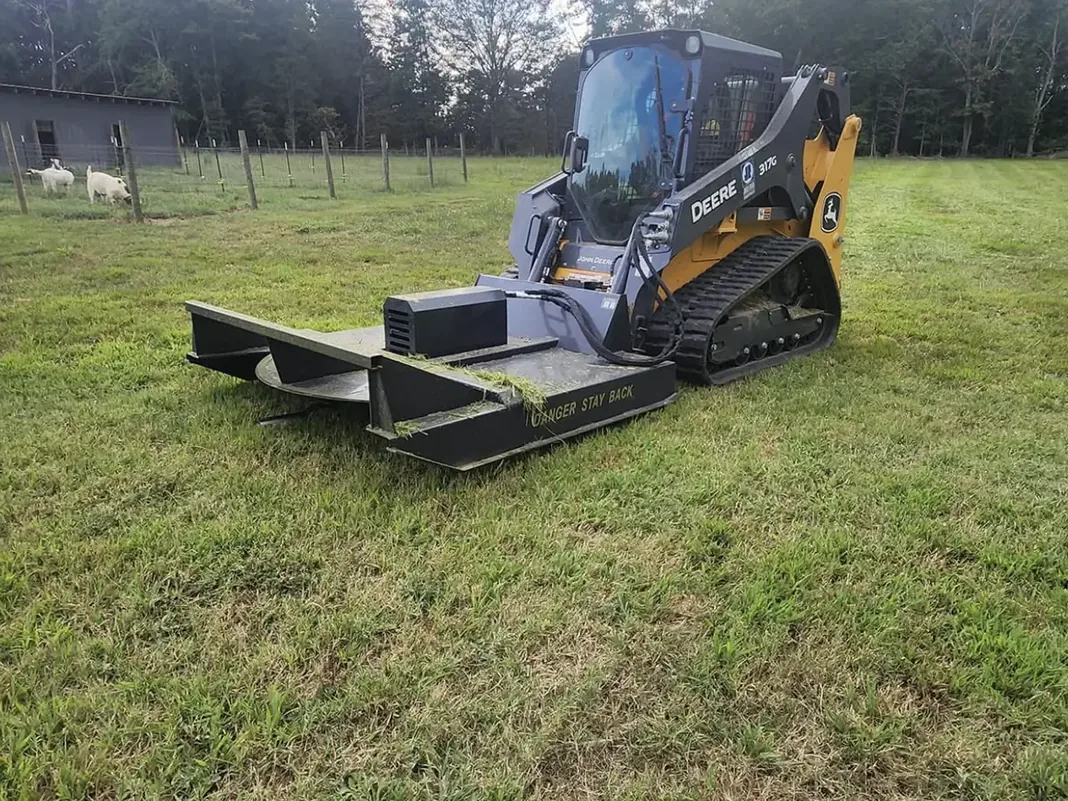
Bush Hogging
We bush hog overgrown fields, pastures, vacant lots and pond banks with a brush cutter on a compact track loader. We do one-time cuts, and repeat cuts for HOAs and property managers.
Learn More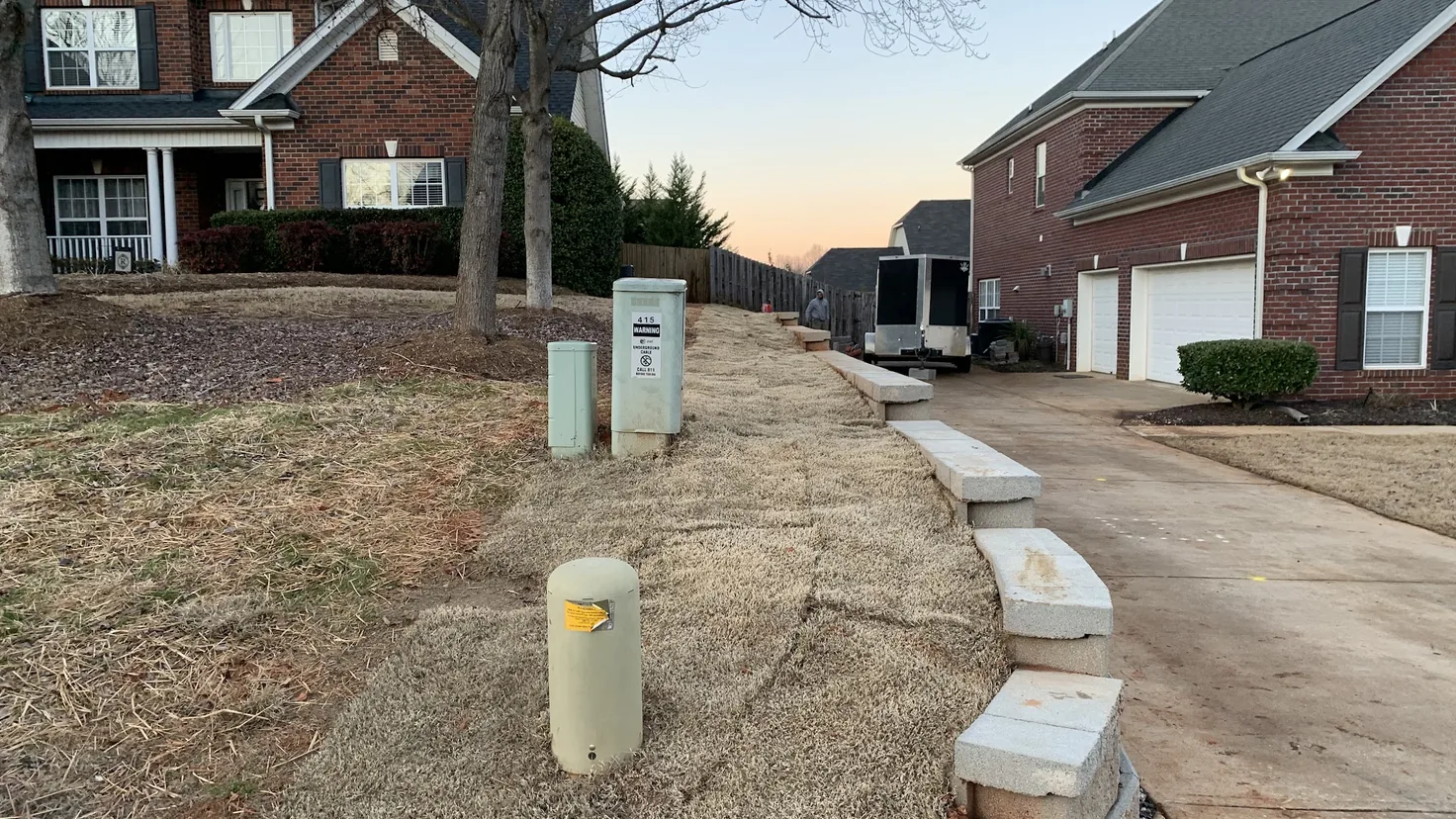
Land clearing in Taylors often starts at the back of an older lot. Almost 45 percent of the homes here were built before 1980, by Census estimates. Out back, a fence line or a creek bank can grow up in briars and saplings. Where a lot drops to a creek, the low end is often the wettest ground and the hardest to reach.
Taylors is part of our service area, about 10 miles west of Duncan by way of Greer. Blackwell's Land Management does land clearing across the Upstate with a brush cutter and grapple on a skid steer. We haul the brush off or pile it where you want it, and bush hogging keeps open fields cut. Call or text (864) 747-5946, and we look at the land and put the quote in writing.
Tell us about the land and what you want done with it. We look at it and put the quote in writing.
Taylors is an unincorporated community in Greenville County, with 23,222 people in the 2020 Census. Census estimates count about 10,600 homes and apartments here, and about 71 percent are stand-alone houses. The median home dates to 1983, and only about 9 percent went up in 2010 or later.
The Enoree River runs through Taylors, and so do Mountain Creek and Brushy Creek. FEMA flood maps show flood zones inside Taylors along the river and several creeks. Greenville County's floodplain office names the Enoree among the rivers that leave their banks during or soon after heavy storms.
Federal soil maps list the creek bottoms here as somewhat poorly drained, with occasional flooding. A loaded machine can rut that ground after a rain. We start on firm ground and plan the low end with you before the machine goes down there.
The USDA soil survey puts Cecil soils on about half the land in Taylors. Cecil has a sandy loam surface over red clay. Around Taylors it sits mostly on 2 to 15 percent slopes. Steeper Pacolet sandy loam, at 15 to 25 percent, covers about a tenth of the town.
Red clay changes the job once the brush comes off. By NOAA's 1991 to 2020 normals, the Greenville-Spartanburg airport gets about 50 inches of rain a year. Bare clay on a slope washes in a hard rain, and wet clay ruts under a loaded machine. On this ground, land grading after the clearing shapes the soil so rain runs off where you want it.
Taylors has no town government of its own, so Greenville County handles land permits here. The county's Land Development Division oversees land disturbance permits under its storm water ordinance. Its permit guide says land clearing projects that disturb the ground fall under those permit rules.
A home lot that disturbs 1 acre or more, outside a larger development plan, needs a Land Disturbance (Grading) permit. It also needs coverage under the state's Construction General Permit, through SCDES. Any work that changes the ground cover must use erosion and sediment controls that hold mud on site. For a smaller job, ask the county about your parcel before work starts.
South Carolina's dig law counts grading with a machine as digging. Notice to SC 811 has to go in three to twelve full working days ahead. Utilities mark only their own lines, so a private water line to a shop stays unmarked. Show us where yours run before the machine starts.
The 29687 ZIP covers about 48 square miles of land, more than four times the town itself. It runs north past Locust Hill Road toward the South Tyger River. About half of its 44,124 people in 2020 lived in Taylors proper, so homes sit farther apart to the north.
Newer homes show up more out here. About 15 percent of homes in the ZIP were built in 2010 or later, against 9 percent in town. A new house on a grown-up tract starts with clearing, then a house pad and a drive.
For a long drive back to a house or a shop, we spread and grade gravel driveways. On a county road, the county says it will not provide a driveway culvert to vacant land. The owner may get an encroachment permit and install the pipe at their own expense. We set that culvert pipe as part of our drainage and culvert work.
Communities and areas we serve around Taylors: Taylors Mill, Chick Springs, Pebble Creek, Wade Hampton Boulevard, Brushy Creek Road, Reid School Road, Edwards Road, Stallings Road, Locust Hill Road, Groce Meadow Road, Enoree River, Mountain Creek.
Taylors ZIP codes served: 29687.
Taylors is part of our service area. We look at the land first, then put the quote in writing.
(864) 747-5946 We bush hog overgrown fields, pastures, vacant lots and pond banks with a brush cutter on a compact track loader. We do one-time cuts, and repeat cuts for HOAs and property managers.
Learn More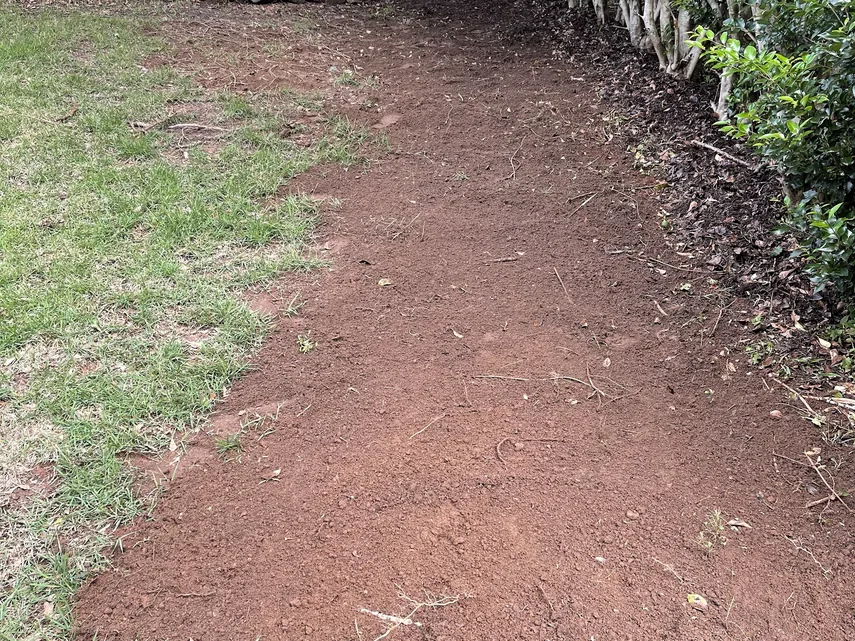
We level yards and lots and fill the low spots that hold water. Finish grading with a smooth bucket leaves the ground ready for seed or sod.
Learn More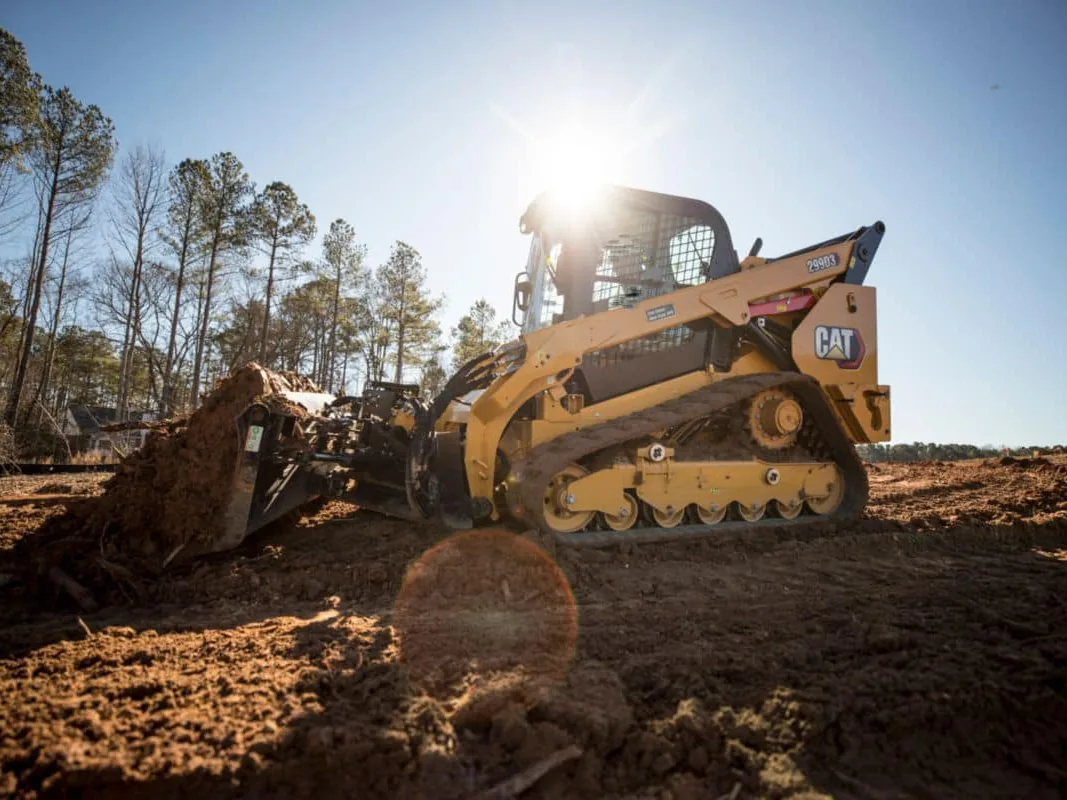
We build house pads and building pads for new homes, garages, barns and shops around Duncan. The footprint is cleared, then the pad is cut and filled to grade and compacted for the foundation crew.
Learn More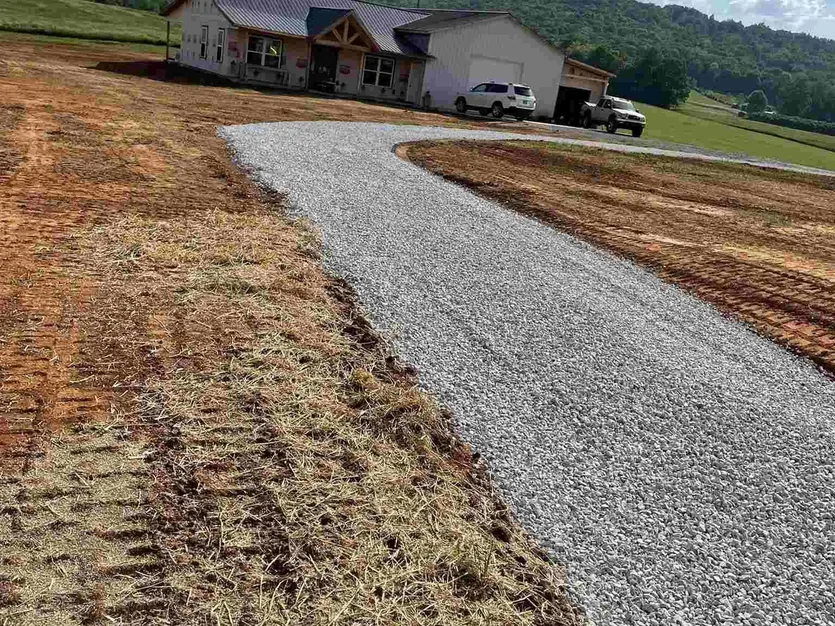
We build new gravel driveways and parking areas and regrade worn ones. The stone gets a crown so rain runs off to the sides.
Learn More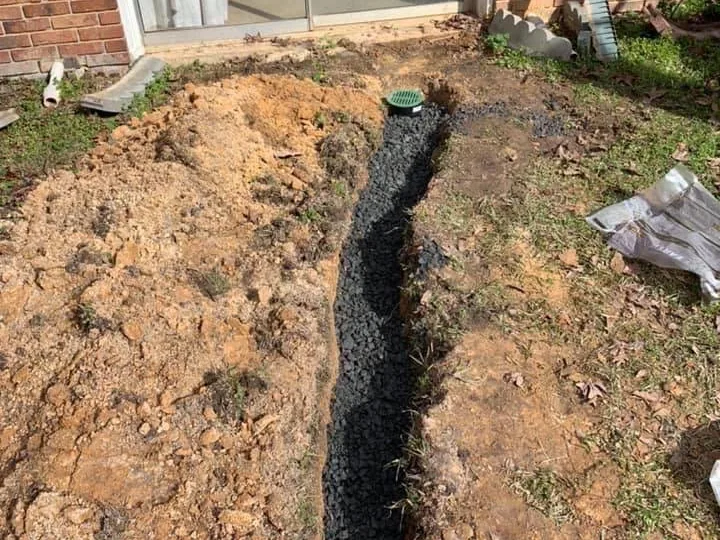
We fix yards and lots that hold water after a rain. A French drain or a regraded slope moves the water off, and culvert pipe carries it under the drive.
Learn More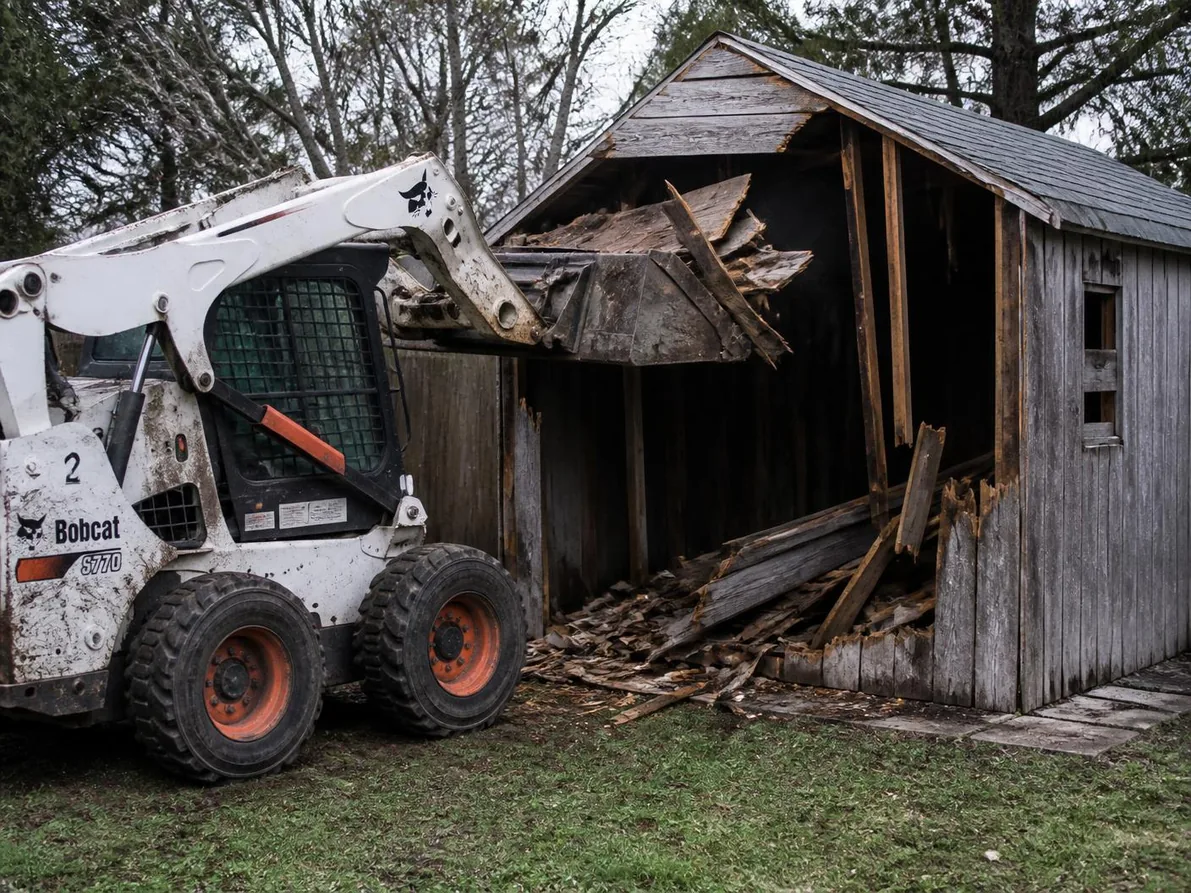
We take down sheds, old barns, carports, decks and fences with a compact track loader. The grapple loads the debris, and we haul it off.
Learn More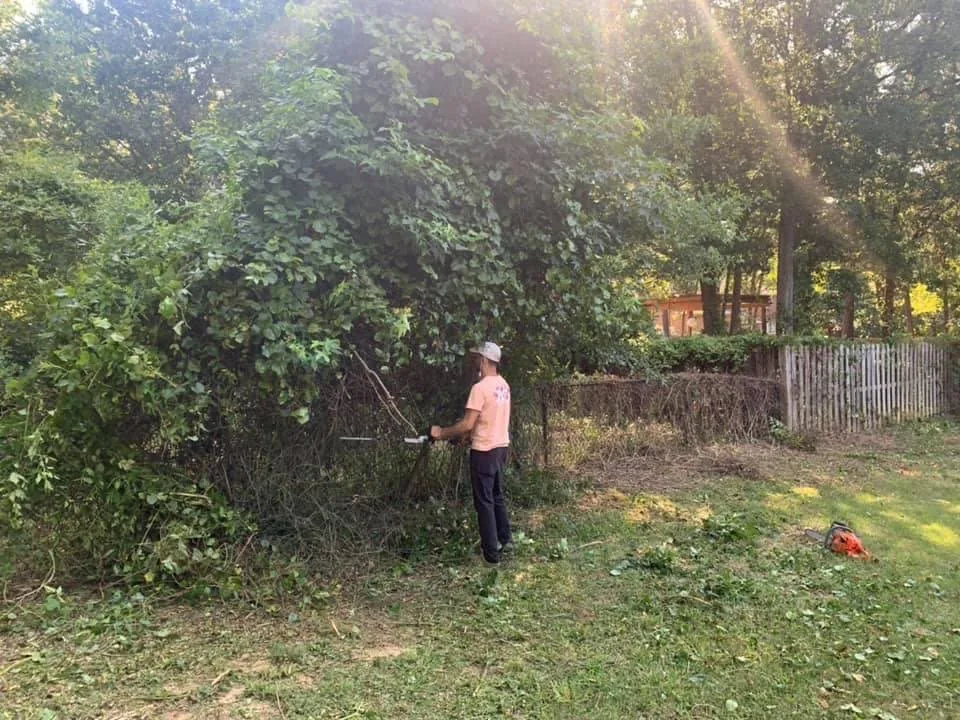
We load brush piles, fallen limbs, yard waste and job site scraps with the grapple and haul them off. If you would rather keep it, we pile the debris where you want it on the land.
Learn More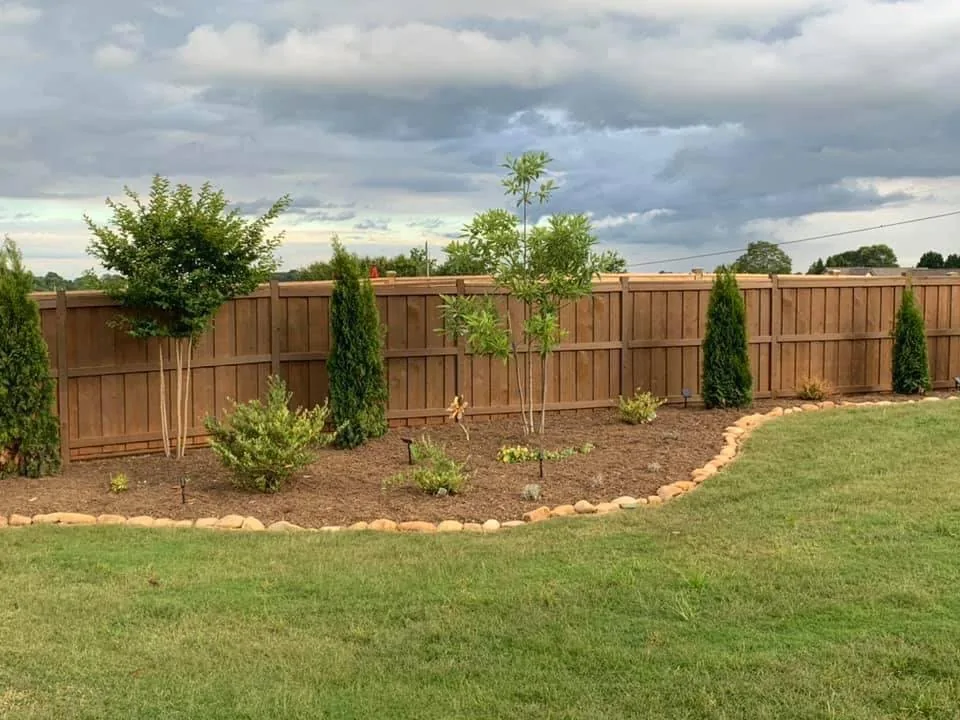
We build mulch beds and lay sod on yards around Duncan and the Upstate. Shrubs, bed edging, stone borders and cleanups after clearing or grading are part of the work too.
Learn MoreA few of the questions we hear most around Taylors. If yours is not here, call or text and ask.
Send the form with where the land is and what you want done with it. You can also call or text (864) 747-5946, and we will set a time to look at the land.
Tell us about the land and what you want done with it. We look at it and put the quote in writing.