
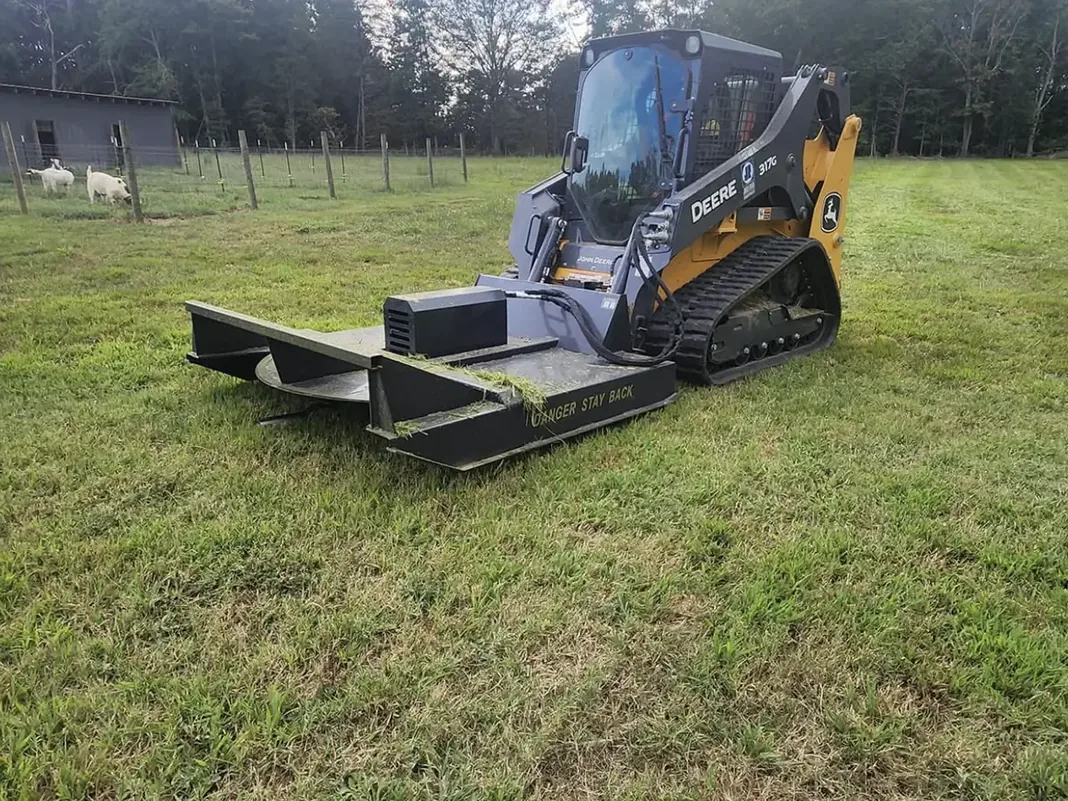
Bush Hogging
We bush hog overgrown fields, pastures, vacant lots and pond banks with a brush cutter on a compact track loader. We do one-time cuts, and repeat cuts for HOAs and property managers.
Learn More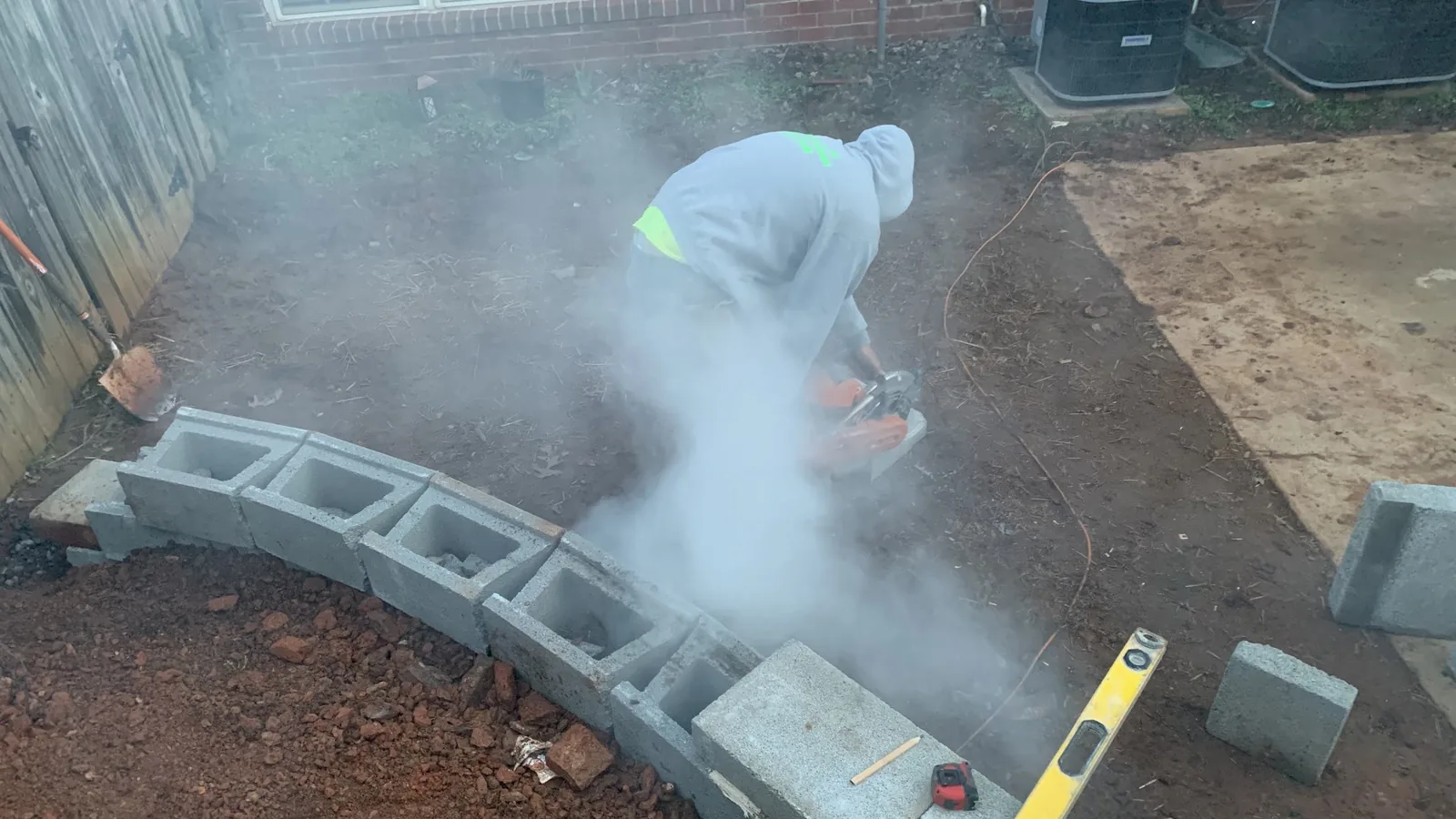
Lyman nearly doubled between the 2010 and 2020 censuses, from 3,243 people to 6,173. The Census Bureau's estimate for 2025 is 7,103. Land clearing in Lyman can mean a new house site or an old mill village yard gone to brush. Town code enforcement asks that yards and lots stay clear of weeds and growth over 12 inches.
Blackwell's Land Management serves Lyman as part of our service area, a few minutes up SC 292 from Duncan. For land clearing, a brush cutter on a compact track loader takes down brush, briars, saplings and small trees. The grapple pulls small stumps, and the debris is hauled off or piled where you want it. Call or text (864) 747-5946, and we will look at the land and put the quote in writing.
Tell us about the land and what you want done with it. We look at it and put the quote in writing.
Before the mill, Lyman was a farming community known as Groce's Stop. Pacific Mills built its textile mill there in 1924, and the town grew up around it. By 1927, the company had built a village of 375 homes for its workers. Those homes were sold to individual owners in 1955.
The Rail Trail now follows the old mill railroad through that village. About one in eight homes in Lyman was built before 1940, by Census Bureau estimates. On an older lot, the job might be brush along a back fence or an old shed to take down.
About half of the homes in town were built in 2010 or later. On a new house site, we clear the footprint and build the house pad to grade. The pad is compacted and left ready for the foundation crew. The gravel driveway can go in next, with a culvert pipe at the road where the ditch needs one.
More than half of the land inside the town limits is Cecil soil in the federal soil survey. A Cecil profile has a thin layer of sandy loam over red clay. Much of that ground is mapped as eroded, so the clay can sit close to the surface. Wet red clay turns sticky.
The Middle Tyger River runs through the south end of town, past River Place Park on Groce Road. FEMA's flood map shows flood zones along the Middle Tyger and North Tyger Rivers inside the town limits. The soil survey maps much of the creek and river bottomland as Chewacla loam, a flood plain soil. NOAA's 1991 to 2020 normals for the Greenville-Spartanburg airport station come to about 50 inches of rain a year.
Grade decides where that water goes on a lot. We regrade low spots that hold water and slope the ground away from the house. Where grade alone will not carry the water off, we put in French drains and driveway culverts. Near either river, check the lot on FEMA's flood map and ask the town what applies before any grading.
Inside the town limits, the Town of Lyman's Planning and Zoning office is the first stop. The town says its permit process starts there, with the town's forms and approvals. A building department the town partners with then issues the permits and schedules inspections.
Sheds, carports, garages and fences need zoning approval before they go in. A new house starts with the town's New Construction Packet, which includes the zoning compliance application and a sewer agreement. On county land outside the town limits, Spartanburg County's offices handle those questions.
Machine work that breaks ground needs a utility locate first. South Carolina law calls for notice to SC 811 before digging or grading with machines. The notice goes in at least three full working days ahead, not counting the day it is filed. Utility companies mark only their own lines, so private lines, like one to a detached garage, go unmarked.
Bush hogging cuts lots and fields that have grown past mowing. The brush cutter takes down tall grass, weeds, briars and saplings. Inside the town limits, the 12-inch rule makes that cut a regular need on vacant lots.
Many newer neighborhoods have retention ponds, and the banks around them need cutting too. We cut pond banks and common areas for HOAs and property managers, as one-time or repeat cuts.
Communities and areas we serve around Lyman: Lyman's old mill village, Groce Road, US 29, SC 129, Inman Road (SC 292), Holly Springs Road, Old Spartanburg Highway, Middle Tyger River, Lake Cooley, Lake Lyman.
Lyman ZIP codes served: 29365, 29385, 29334.
Lyman is part of our service area. We look at the land first, then put the quote in writing.
(864) 747-5946 We bush hog overgrown fields, pastures, vacant lots and pond banks with a brush cutter on a compact track loader. We do one-time cuts, and repeat cuts for HOAs and property managers.
Learn More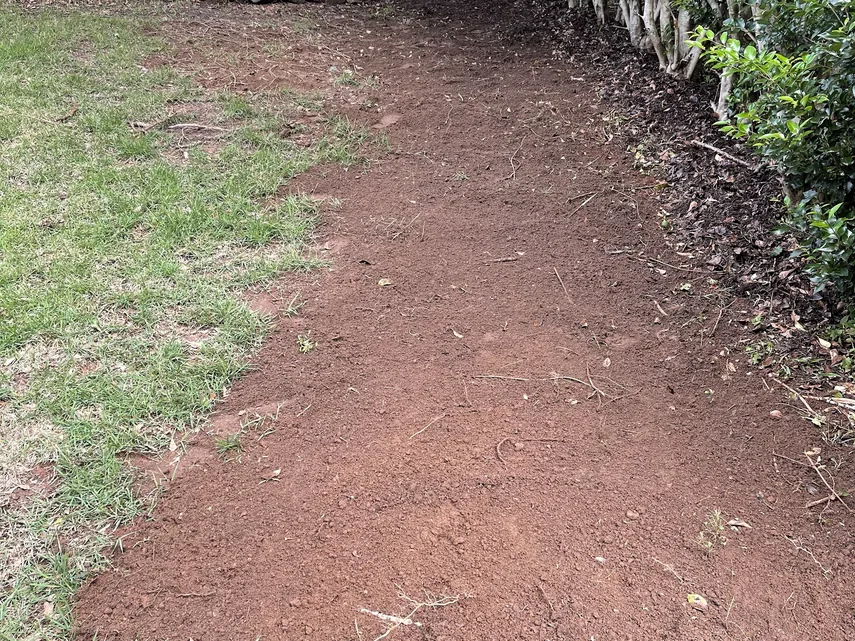
We level yards and lots and fill the low spots that hold water. Finish grading with a smooth bucket leaves the ground ready for seed or sod.
Learn More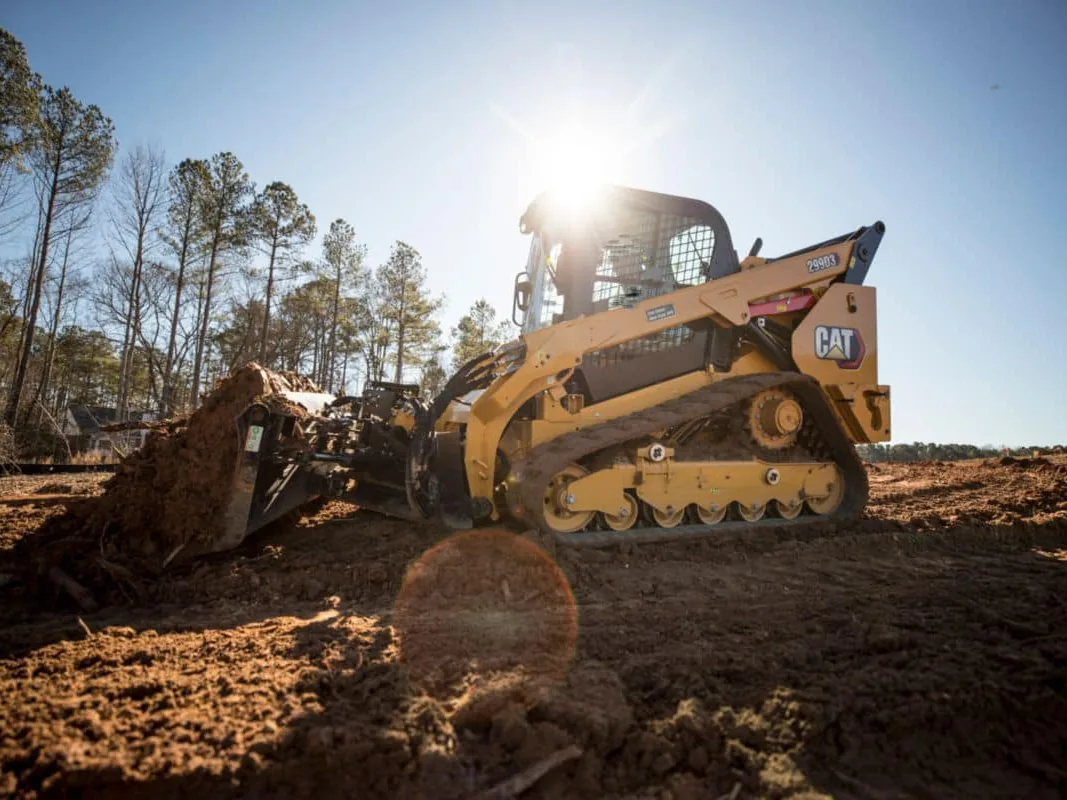
We build house pads and building pads for new homes, garages, barns and shops around Duncan. The footprint is cleared, then the pad is cut and filled to grade and compacted for the foundation crew.
Learn More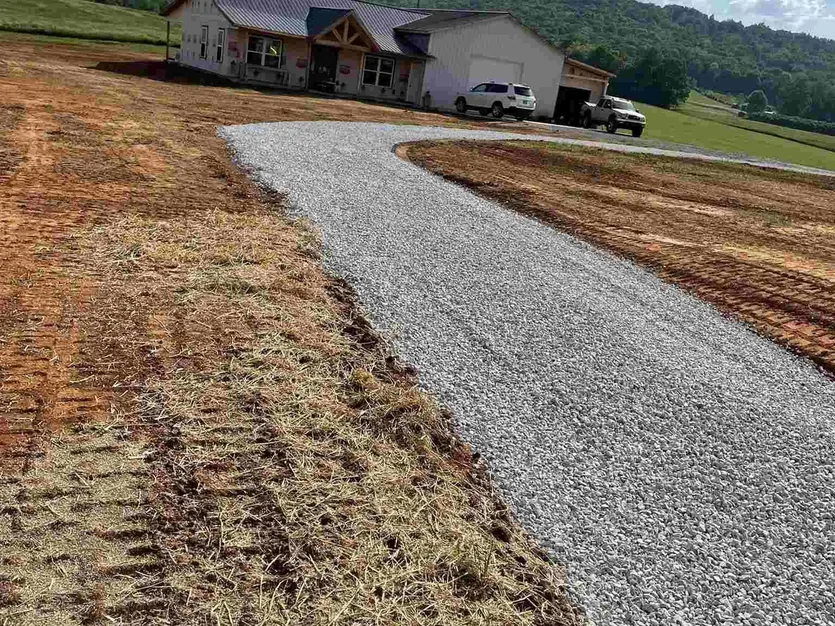
We build new gravel driveways and parking areas and regrade worn ones. The stone gets a crown so rain runs off to the sides.
Learn More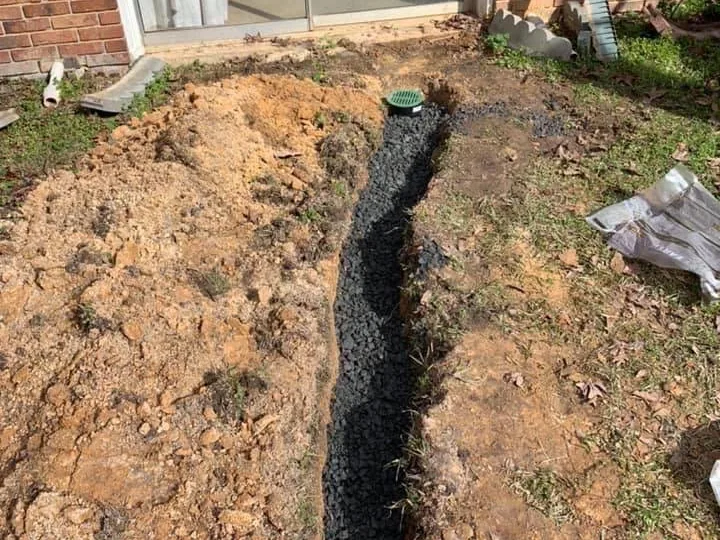
We fix yards and lots that hold water after a rain. A French drain or a regraded slope moves the water off, and culvert pipe carries it under the drive.
Learn More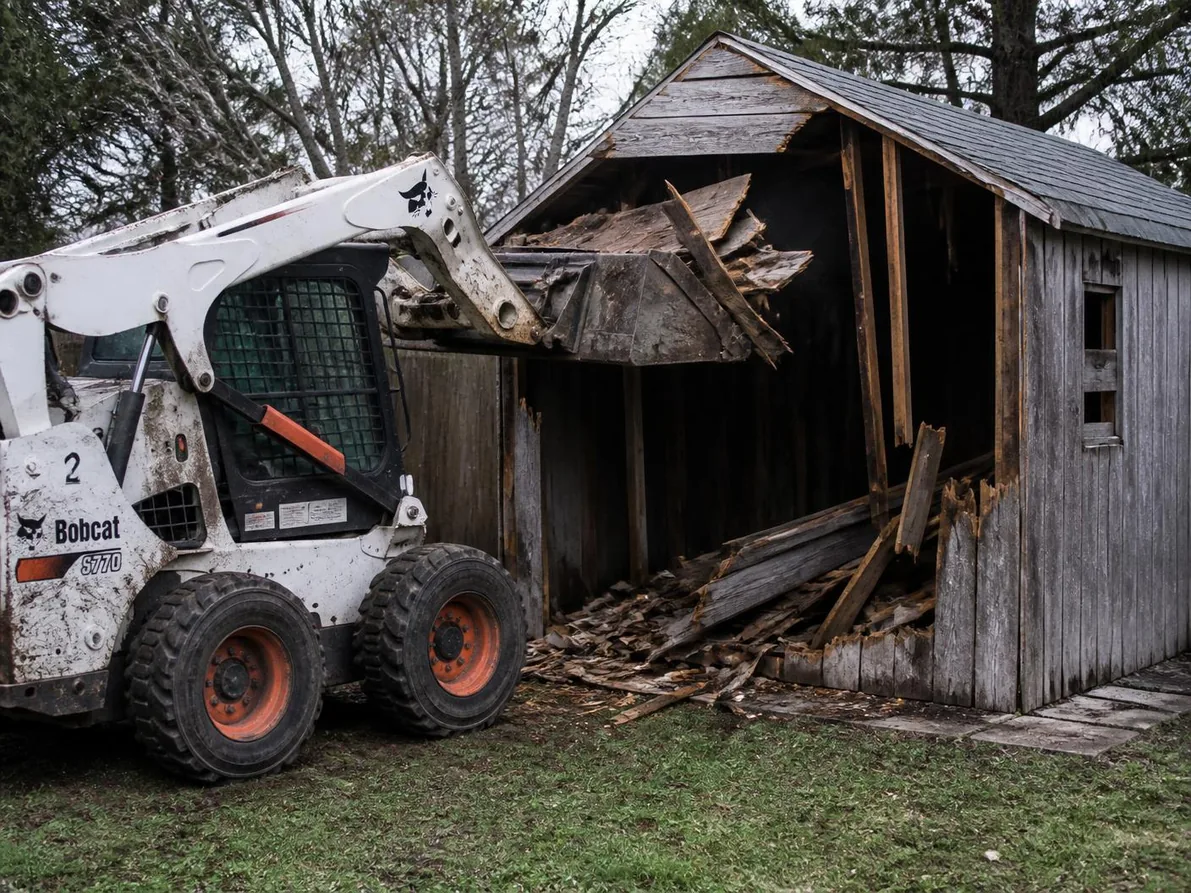
We take down sheds, old barns, carports, decks and fences with a compact track loader. The grapple loads the debris, and we haul it off.
Learn More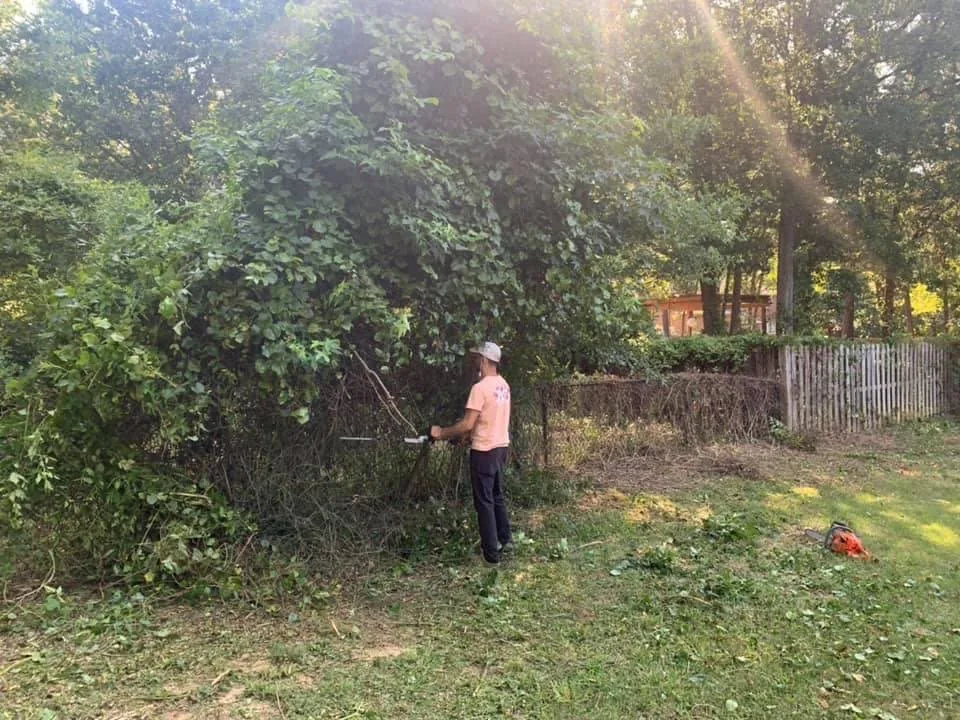
We load brush piles, fallen limbs, yard waste and job site scraps with the grapple and haul them off. If you would rather keep it, we pile the debris where you want it on the land.
Learn More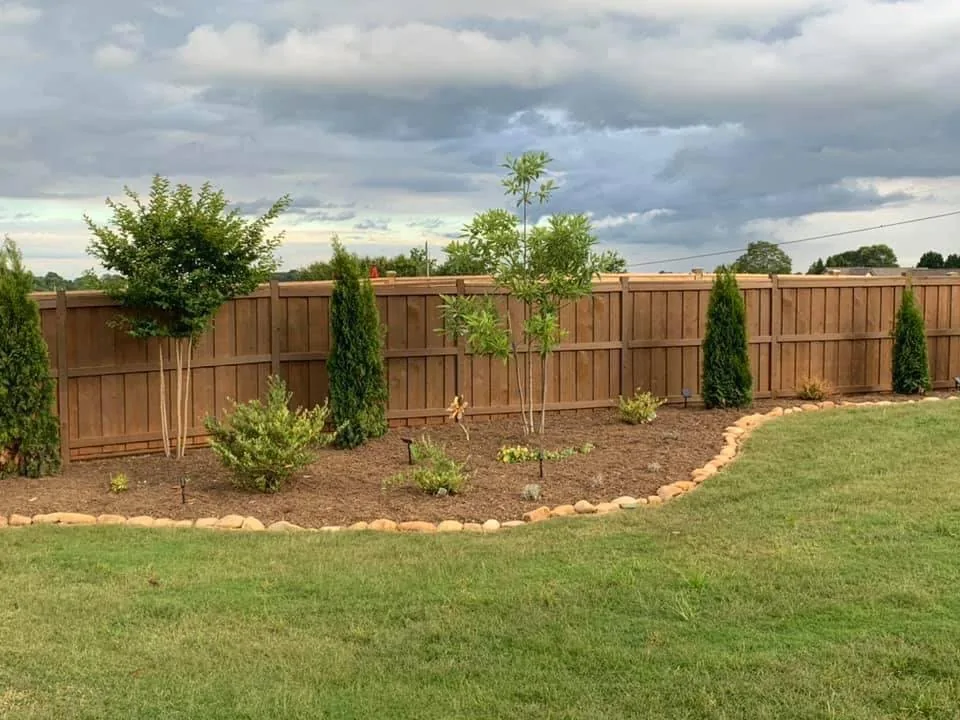
We build mulch beds and lay sod on yards around Duncan and the Upstate. Shrubs, bed edging, stone borders and cleanups after clearing or grading are part of the work too.
Learn MoreA few of the questions we hear most around Lyman. If yours is not here, call or text and ask.
Send the form with where the land is and what you want done with it. You can also call or text (864) 747-5946, and we will set a time to look at the land.
Tell us about the land and what you want done with it. We look at it and put the quote in writing.