
Demolition
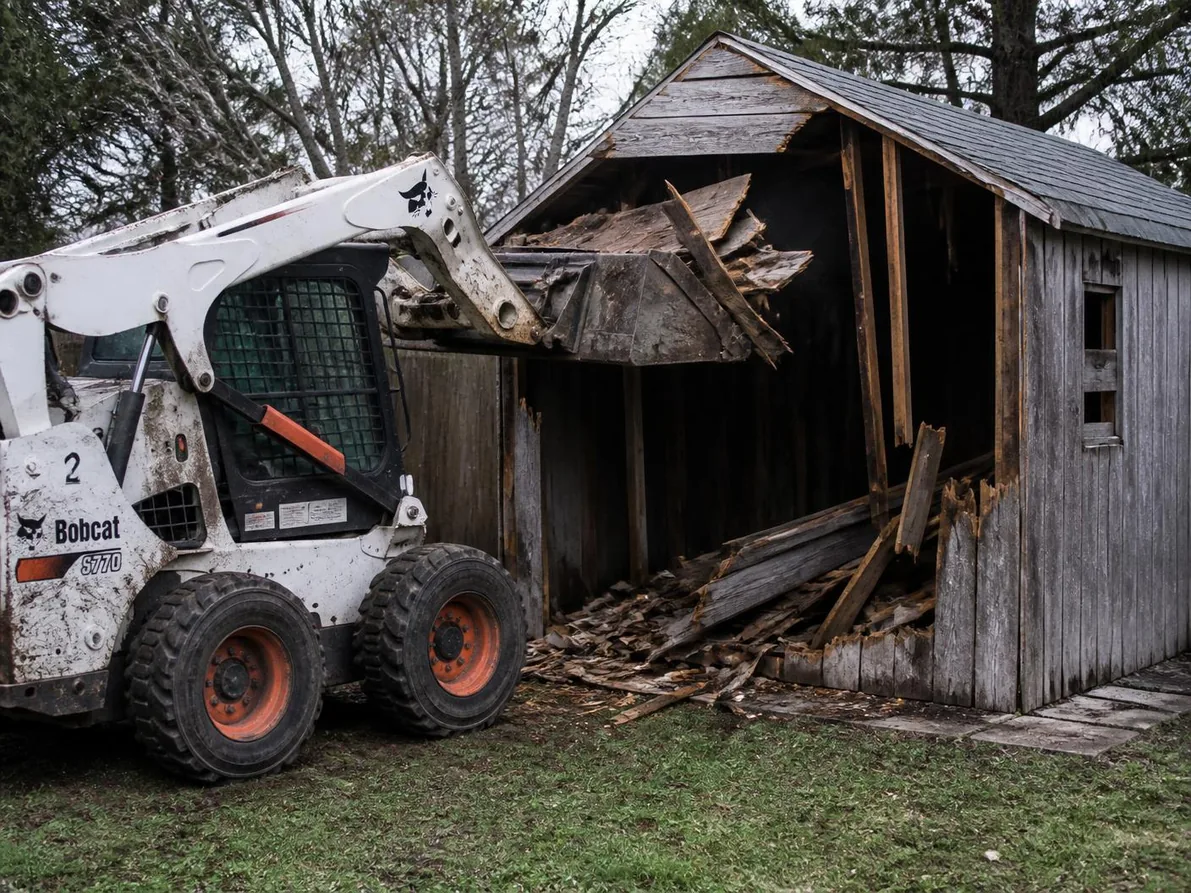
We take down sheds, old barns, carports, decks and fences with a compact track loader. The grapple loads the debris, and we haul it off.
Learn More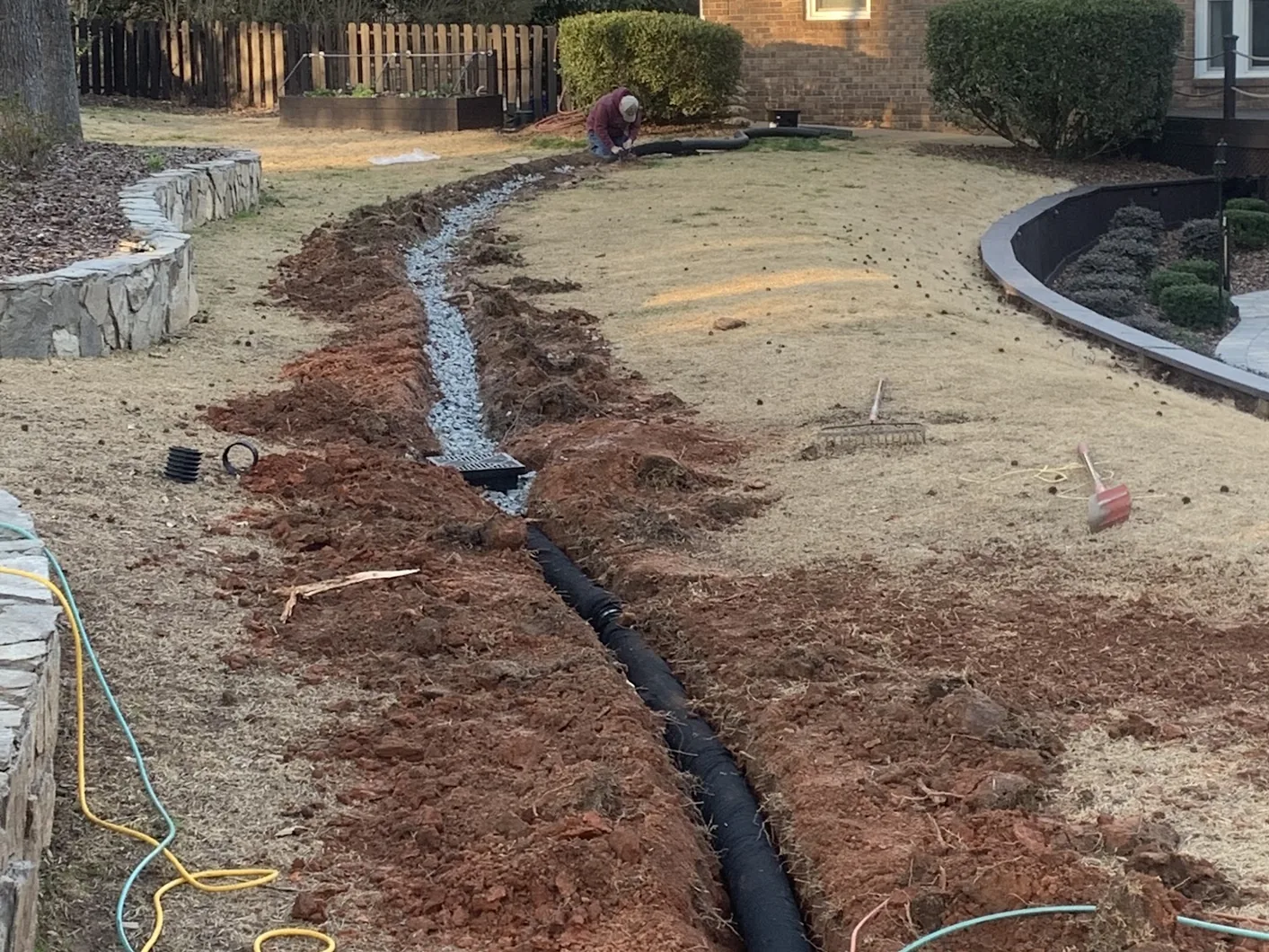
Does water stand in your yard for days after a rain? Does it run toward the house or wash over the end of the driveway? Blackwell's Land Management fixes yard drainage around Duncan and across the Upstate. The work covers French drain installation, regrading of low spots, swales, driveway culverts and ditch cleanout.
Every drainage job starts with where the water comes from and where it can go. Roof water needs a different fix than runoff from the slope above you. We shape swales and regrade low spots with a compact track loader and a smooth bucket. When the whole yard needs leveling, the job becomes land grading.
Tell us about the land and what you want done with it. We look at it and put the quote in writing.
The federal soil survey maps much of the ground around Duncan as Cecil soil. That is a few inches of sandy loam over firm red clay, which comes near the surface on eroded slopes. Water has a hard time passing through clay, the extension service notes. Rough grading on a build can pack that ground down, more so when it is wet.
Rain is steady here too. The weather station at the Greenville-Spartanburg airport, a few miles from Duncan, averages close to 50 inches a year. In an average year, about 14 days bring an inch of rain or more. NOAA's rainfall atlas puts a day of nearly 4 inches at Duncan about once every two years.
Wet yards usually trace back to a few causes. The ground slopes toward the house, or a low spot has no way out. Roof water dumps at one corner. A clogged culvert at the road backs up the ditch.
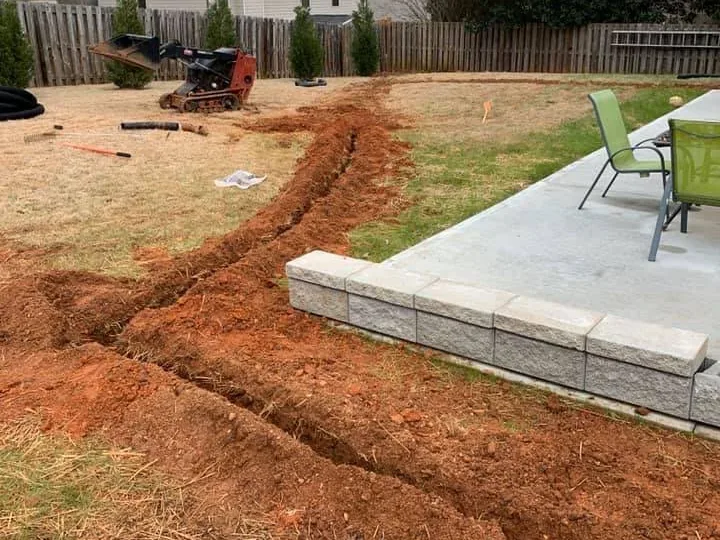
A French drain is a gravel-filled trench with a perforated pipe in it. Filter fabric around the gravel helps keep clay out of the stone. The trench falls toward an outlet, so water that soaks in has a way out. We dig the trench and set the pipe in gravel, then backfill and smooth the ground.
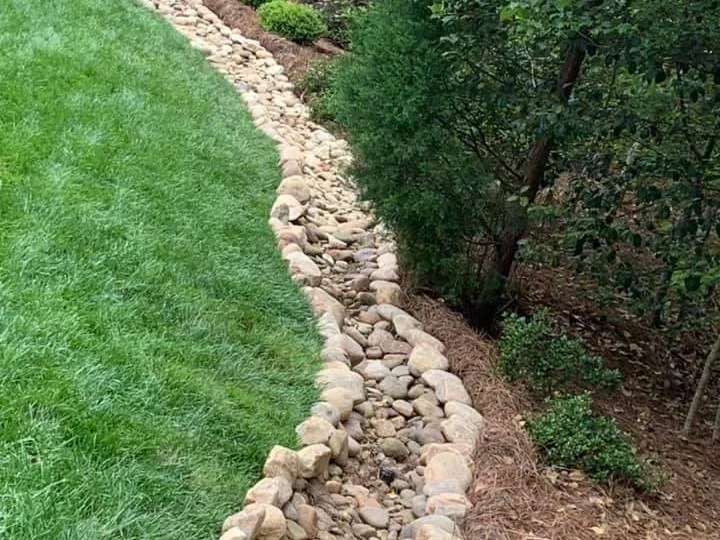
Water that runs across the top of the ground often needs a simpler fix. A swale is a wide, shallow channel shaped into the yard and covered in grass. It turns runoff aside and carries it around the house. Regrading a low spot gives standing water a way to run off.
Roof water is its own job. A solid drain line can carry it from a downspout past the wet spot. The outlet sits lower on your land, where the water can drain away. Greenville County's guide for owners says not to block the natural path of water or divert it onto another property.
A driveway culvert carries the roadside ditch under your drive. When the pipe is crushed or full of silt, water backs up and runs across the driveway. Culvert installation starts with the ditch, so the new pipe sits at the ditch's grade. The pipe runs the full width of the fill, and both ends get graded to the ditch.
On a state road, work in the right-of-way needs an SCDOT encroachment permit. Around Duncan, many state roads carry a number that starts with S-42. A cardinal on the street sign marks a town road inside the town limits and a county road outside them. The town's own page warns that the symbols are not always right.
In Greenville County, the county's own answer page says it does not supply a culvert for vacant land. For pasture or farm land, an owner can get an encroachment permit and pay to put the pipe in. A new culvert often goes in with a new gravel driveway. We also clean out ditches and reshape them so water reaches the pipe.
Call or text for a written quote. We work about 50 miles around Duncan across the Upstate of South Carolina.
(864) 747-5946From the first call or text to the finished work, here is how it goes.
Call or text (864) 747-5946. Tell us where the land is and how much of it needs clearing.
We come out to see the growth and how a compact track loader gets onto the land. We also go over what stays standing and what comes out.
You get the price and the scope of work in writing. When you say yes, the job goes on the schedule.
The brush cutter takes the brush and small trees down. The grapple pulls small stumps and gathers what was cut.
The debris is hauled off or piled, the way you chose. The open ground is then ready for the next step, like grading or a house pad.
Common questions about drainage and culverts around Duncan and the Upstate. If yours is not here, call or text and ask.
We take down sheds, old barns, carports, decks and fences with a compact track loader. The grapple loads the debris, and we haul it off.
Learn More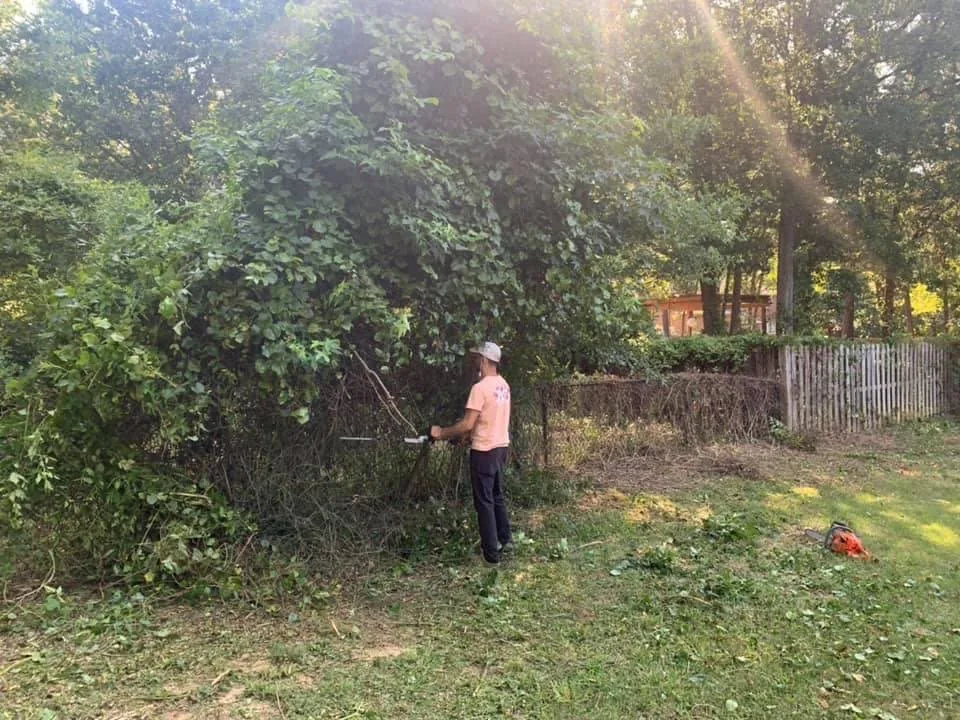
We load brush piles, fallen limbs, yard waste and job site scraps with the grapple and haul them off. If you would rather keep it, we pile the debris where you want it on the land.
Learn More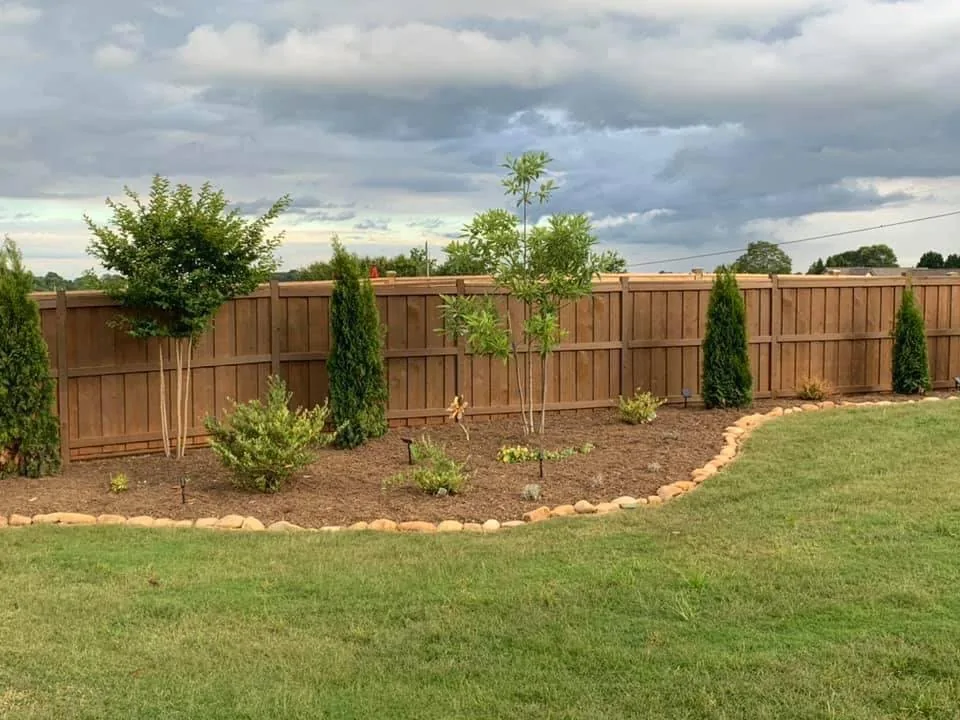
We build mulch beds and lay sod on yards around Duncan and the Upstate. Shrubs, bed edging, stone borders and cleanups after clearing or grading are part of the work too.
Learn MoreOnce the land is open, we can grade it and build the house pad or the gravel driveway. One call covers the clearing and the work that follows.
We price the job after we see the land in person. The quote comes to you in writing before any work starts.
We clear land for homeowners and landowners, builders and businesses. HOA common areas and the banks of subdivision retention ponds are part of the work too.
The cut brush and pulled stumps can be hauled off, or piled where you want them on the land. You decide that when we go over the quote.
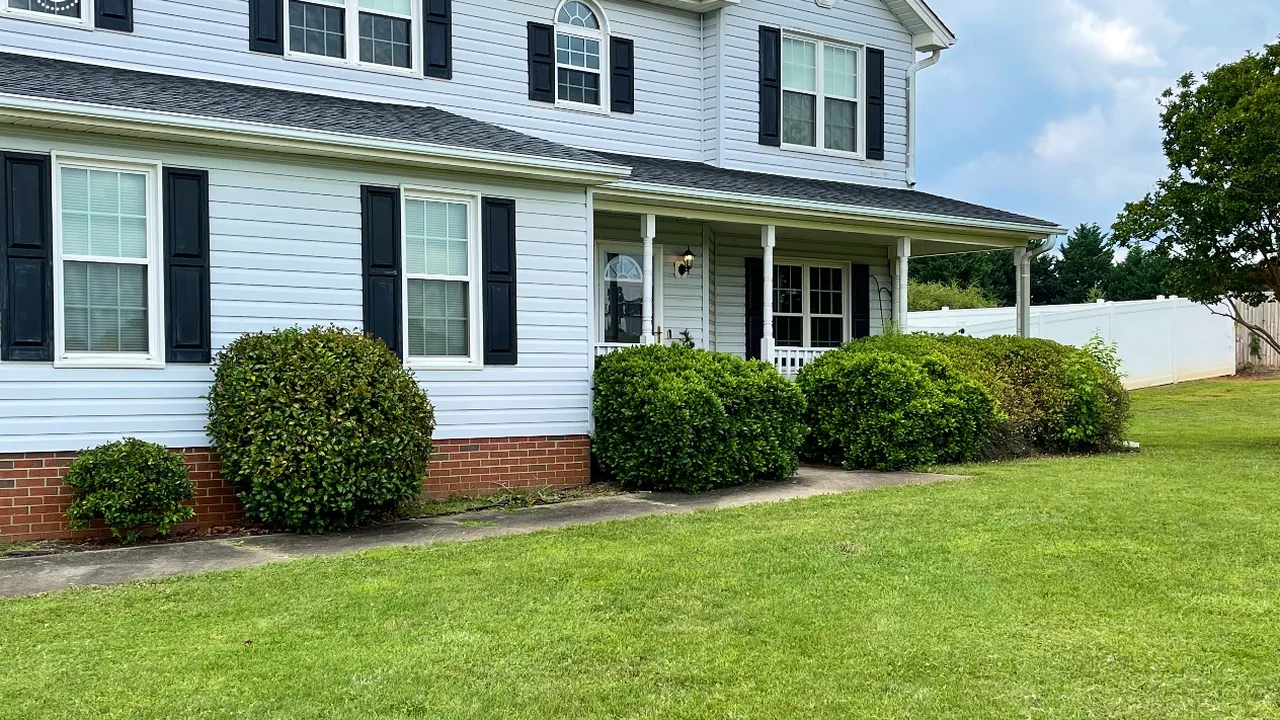
What a gravel driveway costs in South Carolina, per foot and per ton, from national guides. How deep the stone goes and what the road culvert adds.
Read more →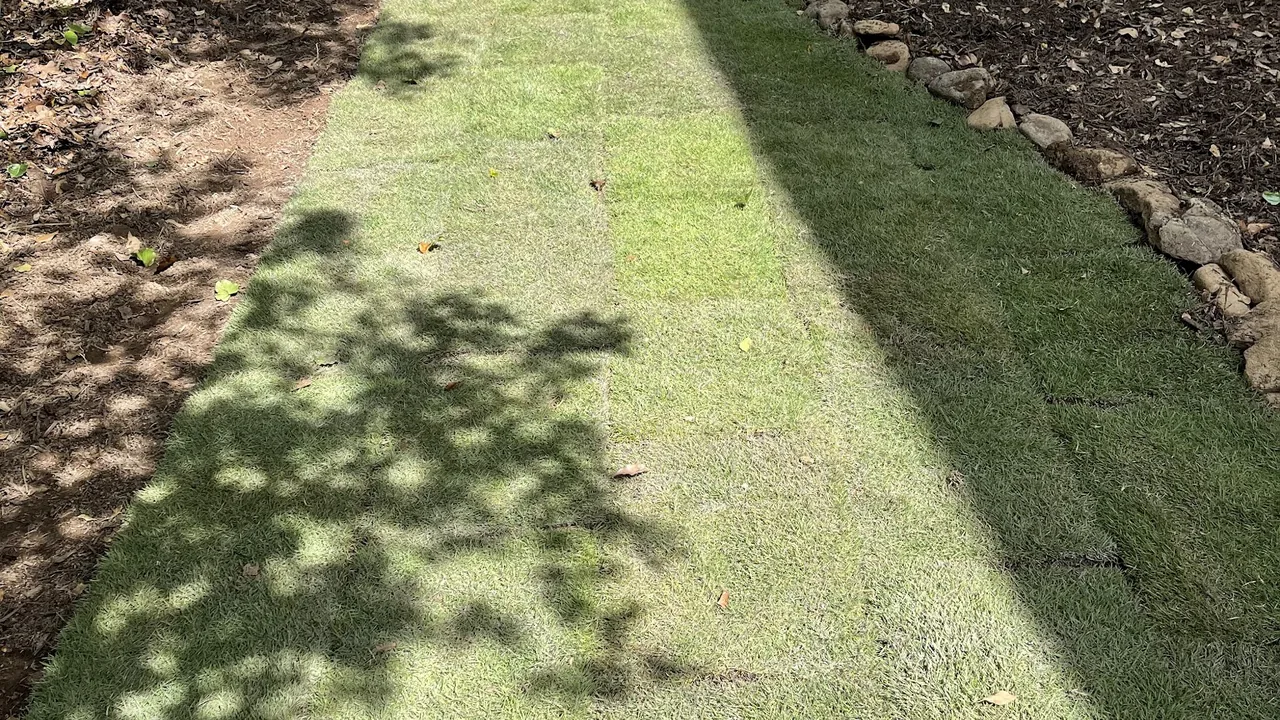
What does a house pad cost in South Carolina? National cost guides put the dirt work at $1,500 to $10,000. See what goes into it and what moves the price.
Read more →Send the form with where the land is and what you want done with it. You can also call or text (864) 747-5946, and we will set a time to look at the land.
Tell us about the land and what you want done with it. We look at it and put the quote in writing.